How Do Heat Pumps Work? Simple Answers for Leicester Homeowners
Last reviewed: 2 October 2026
Short, clear answers to the questions people ask about how heat pumps actually work — no engineering degree required — with notes on what it means for a Leicester terrace or semi.
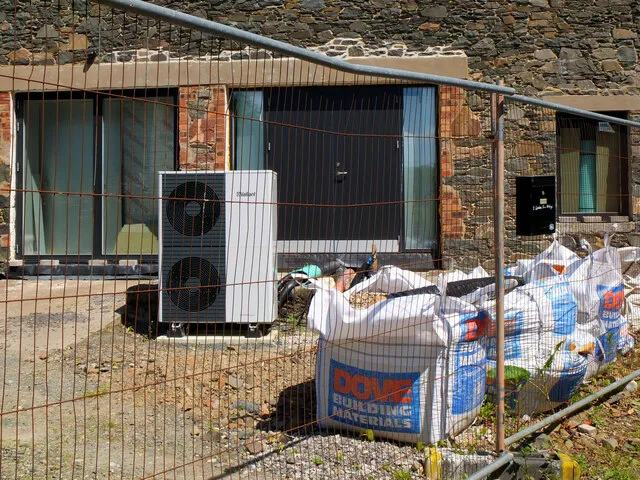
Where does the heat come from?
From the outside air. Even when it feels cold, air contains heat energy, right down to temperatures far below anything Leicester experiences. A heat pump collects that energy and concentrates it.
How can cold air heat a house?
The heat pump contains a special fluid called a refrigerant, which is colder than the outdoor air. Heat always flows from warmer to colder, so as the fan blows air over pipes containing the refrigerant, heat moves into it. The refrigerant then turns into a gas.
Then what?
A compressor squeezes the gas. Squeezing a gas makes it hotter — feel a bike pump after you’ve used it. Now hot, the refrigerant passes its heat to the water in your central heating. It cools down, turns back into a liquid, has its pressure released so it becomes very cold again, and goes round once more to collect more heat.
It’s the same process a fridge uses to keep food cold, just working in the opposite direction.
Why does it use less electricity than an electric heater?
An electric heater, including a storage heater, turns one unit of electricity into one unit of heat. A heat pump uses its electricity to move heat rather than make it, so it typically delivers three to four units of heat for each unit used. That’s why households moving from storage heaters see such large drops in their bills.
Does it work in a Leicester winter?
Yes. It works less efficiently when it’s very cold, but it keeps heating well below freezing. Installers size the system for a cold design day, which in the East Midlands is a little colder than in the South West. See heat pumps in cold weather.
Why do my radiators feel only warm?
Heat pumps send cooler water round the radiators than a gas boiler — usually 45–50°C rather than 70°C — and run for longer. The room still reaches your chosen temperature. Running cooler is what makes them efficient, which is why some rooms may need bigger radiators.
How does it heat my hot water?
It heats a tank of water (a cylinder) in between heating the house. Many Leicester terraces have a combi boiler and no cylinder, so one is fitted as part of the job. Leicester’s water is hard, so a cylinder with a heat pump-rated coil keeps it working efficiently.
What’s the steam I sometimes see?
That’s a defrost cycle. On cold, damp days, frost forms on the outdoor unit and the heat pump briefly warms it to melt it off. It’s normal. See defrost cycles.
What controls it?
A controller or app sets your temperatures. It also uses an outdoor sensor to adjust the water temperature to the weather, called weather compensation, which keeps running costs down. See flow temperature explained.
Is all the equipment outside?
In most UK homes, yes: a monobloc unit keeps the refrigerant sealed outdoors and sends hot water indoors. A split system puts part of the equipment inside. See monobloc vs split.
Back to basics: what’s an air source heat pump?
See what a heat pump would look like in your Leicester home
The mechanism is the same in every UK home; the design is specific to yours. Our team carries out a free in-home survey including a full room-by-room heat-loss calculation, identifies the system size and configuration that fits your property, and provides a written quote with the £7,500 BUS grant already deducted.
You'll see the actual figure you'd pay — not an estimate — and the projected efficiency for your specific install.